
A laptop is a significant investment, so replacing it simply because a newer model has been released is rarely necessary. However, keeping an aging device for too long can lead to frustrating performance issues, security concerns, and unexpected repair expenses. Knowing when your laptop has reached the end of its useful life can help you make a confident purchasing decision. From declining performance to hardware problems, several warning signs indicate that upgrading may be more practical than continuing to repair or tolerate an outdated computer.

Your Laptop Has Become Consistently Slow
One of the clearest signs that it may be time for a replacement is consistently poor performance. If applications take too long to open, multitasking causes frequent freezing, or even basic tasks feel sluggish, your laptop may no longer meet your needs. While cleaning unnecessary files, upgrading memory, or replacing a traditional hard drive with an SSD can sometimes improve performance, these solutions have limits. If your computer remains slow despite reasonable maintenance, a newer system may provide a much better experience.
The Battery No Longer Lasts
Laptop batteries naturally lose capacity over time. If your computer now lasts only a fraction of the time it once did, constantly needs to remain connected to a charger, or shuts down unexpectedly, the battery may be nearing the end of its useful life. Replacing the battery can be worthwhile if the laptop is otherwise performing well. However, if poor battery life is accompanied by slow hardware, an aging display, or other problems, investing in a new laptop may offer better long-term value.
Software and Security Support Are Becoming Limited
Modern laptops need more than adequate hardware; they also need current operating systems and security updates. If your laptop can no longer run supported software or is approaching the end of its operating system’s security support, replacement becomes increasingly important. Continuing to use unsupported technology can expose your files and personal information to avoidable risks. A newer laptop can support current applications while providing a longer period of reliable software and security support.
Repairs Are Becoming Too Frequent
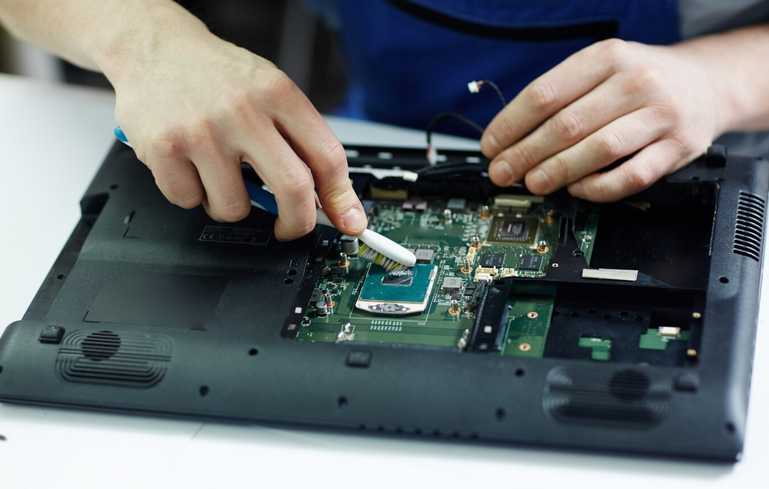
Occasional repairs are normal, but repeated hardware failures can signal that a laptop is approaching the end of its practical lifespan. Problems with the keyboard, charging port, display, cooling system, storage, or motherboard can become costly when they recur. If repair bills are approaching a significant portion of the cost of a suitable replacement, buying a new device may make more financial sense. Consider not only the immediate repair cost but also the likelihood of additional failures.
Your Laptop Can No Longer Handle Your Work
Your needs may change even if your laptop technically still works. A computer that was sufficient for web browsing and documents may struggle after you begin editing video, working with large datasets, developing software, or using demanding professional applications. Frequent crashes, overheating, or insufficient memory can reduce productivity and cause unnecessary delays. If your laptop is limiting what you can accomplish, upgrading can be justified even if the device is still functional.
Physical Wear Is Affecting Usability
Visible wear does not automatically mean a laptop needs replacing, but serious physical deterioration can become a practical concern. A damaged screen, loose hinges, malfunctioning trackpad, broken ports, or unreliable keyboard can make everyday use uncomfortable or inefficient. Physical damage can also worsen over time, potentially making repairs more complicated. When several components are showing signs of age simultaneously, replacement may be more sensible than fixing each problem individually.
There is no universal age at which every laptop should be replaced. The right time depends on performance, reliability, software support, repair costs, and how well the device meets your current needs. If your laptop remains fast, secure, reliable, and suitable for your work, there may be no reason to replace it. However, when multiple warning signs begin appearing together, upgrading can save time, reduce frustration, and provide better value over the long term. The smartest replacement decision is not about owning the newest technology—it is about having a laptop that reliably supports the way you use it.